Why Fewer Blocks Is Not the Only Metric to Compare Proxy Types

Why fewer blocks is not the only metric to compare proxy types comes down to one thing: many workflows fail after the first successful request. A low-block setup can still break logins, reset sessions, or slow down the task you actually need to keep stable. The better first question is not “which proxy gets blocked less,” but “what kind of task am I trying to keep stable from one step to the next?”
That matters because different proxy types solve different kinds of pressure. Some help you spread requests. Some protect long sessions. Some help when mobile-origin traffic looks more natural for the platform. If you want a cleaner buying checklist, start from workflow-fit proxy choices for real account tasks rather than generic claims about fewer bans.
Why low block rate can still be the wrong buying metric
Buyers usually notice blocks first because blocks are visible. A challenge page, a 403, or a re-login loop feels like proof that the IP type is wrong. But the real failure may come later in the path: the request passes, then the session drifts; the login works, then the region changes; the account survives, then the next action looks like it came from a different identity.
That is why a “less blocked” proxy can still perform worse than a slightly stricter but more stable setup. If your workflow depends on session continuity, cookie reuse, or consistent geo signals, continuity often matters more than raw pass rate. Even the underlying HTTP state model described in RFC 6265 only helps when the rest of the access path stays coherent.
Start by separating coverage tasks from continuity tasks
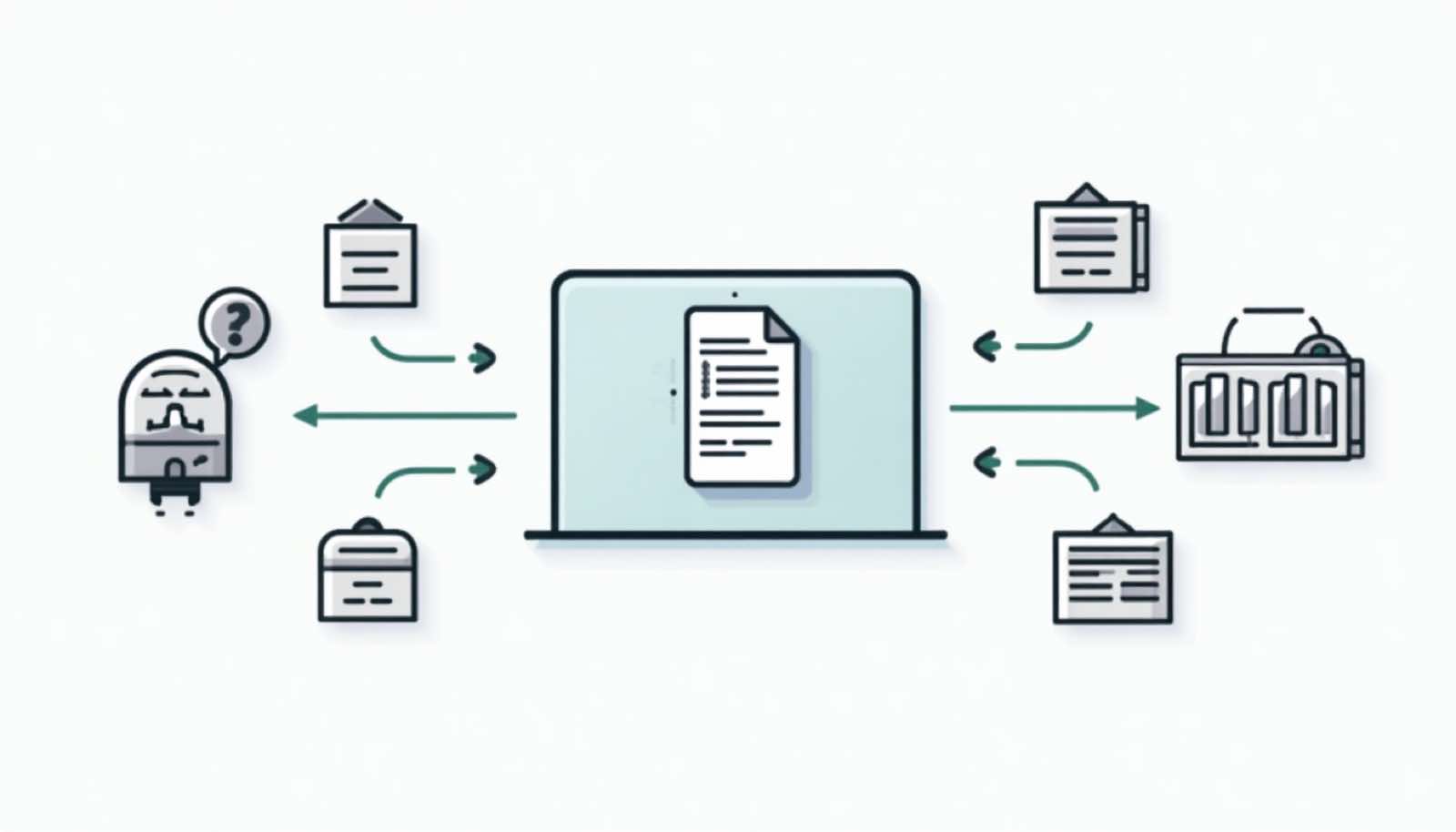
Coverage tasks care about spread. You may need many requests, many locations, or frequent exit changes. In that case, rotating resources can be useful because the job is distribution, not identity persistence.
Continuity tasks care about sameness. Login-heavy work, repeated account actions, checkout flows, warmup paths, and long dashboard sessions usually punish unnecessary IP changes. If the workflow expects one identity to stay believable for longer, the best proxy choice is often the one that changes less, not the one that distributes more.
If you need a wider proxy decision baseline first, this proxy type comparison guide is a good starting point. After that, come back to the harder question: what kind of failure hurts your workflow most?
What each proxy type is really buying you
Rotating residential proxies
These are useful when request spread matters more than a persistent identity. They can reduce concentration on one exit and help with broad collection or testing patterns. They are weaker when your workflow needs the same session to survive multiple steps without identity drift.
Static residential proxies
These make more sense when continuity is the priority. They are usually easier to fit into account maintenance, repeated logins, long browser sessions, and workflows where changing IP too often creates more risk than it removes.
Mobile proxies
These can make sense when mobile-origin traffic is part of the trust pattern you are trying to match. They are not automatically the best option for every buyer. In many workflows, they are worth the extra cost only when platform behavior clearly rewards mobile-network realism over standard residential stability.
SOCKS5-based setups
These are not a separate trust class like residential or mobile, but they can matter when your tools, apps, or mixed traffic path need protocol flexibility. If the workflow spans browser actions, app traffic, or custom tooling, protocol fit can matter just as much as IP source. That is why SOCKS5 workflow fit should be judged separately from headline claims about block rate.
Which workflow signals matter more than blocks
- Session survival: Does the account stay logged in across the steps that actually matter?
- Identity consistency: Does the region, device path, and IP behavior look stable enough for the platform?
- Tool compatibility: Does the proxy type work cleanly with your browser, app, or automation stack?
- Action depth: Are you only reaching the first page, or finishing the full workflow after login?
- Cost per successful path: Are you paying for a lower block rate but losing success later in the flow?
That last point is where buyers often misread results. A proxy that looks cheaper on “pass rate” can become more expensive if the workflow fails after the first successful request. The right metric is closer to completed-task stability than entry-point survival.
When fewer blocks should still lead the decision
Block rate still matters when your task is wide, shallow, and disposable. Large discovery runs, broad testing, one-step collection, and location sampling can justify a spread-first setup. In those cases, you are not paying for one believable identity to last. You are paying for enough coverage to keep the pipeline moving.
But do not carry that logic into account-heavy or continuity-heavy work. That is where many buying mistakes happen. Buyers reuse the same “low blocks” metric for a job that actually lives or dies on stickiness, protocol fit, and long-session stability.
How to compare proxy types before spending on the wrong metric
- Write down whether the job is coverage-first or continuity-first.
- Check whether the task includes login, cart, account management, or repeated actions after the first pass.
- Decide whether region consistency matters more than request spread.
- Check whether your tools need protocol flexibility, not just an IP source.
- Compare cost against completed workflow success, not against first-request success.
If your workflow is mostly continuity-first, static residential or other stable-session setups usually deserve more weight than a generic “fewer blocks” promise. If the task is spread-first, rotating resources may still be the right buy. The key is to stop using one headline metric for every job.
Final takeaway
Fewer blocks is a useful signal, but it is not the full buying metric. Proxy types should be compared by what they keep stable, what they help distribute, and what kind of workflow failure they are built to avoid. Buyers who separate coverage from continuity usually make better proxy decisions and waste less budget fixing the wrong problem after purchase.