
Proxy Rotation Triggers: A Checklist for When to Keep or Switch an Exit
Use this practical checklist to decide when a proxy exit should stay assigned, when it should rotate, and what evidence to record before changing sessions.
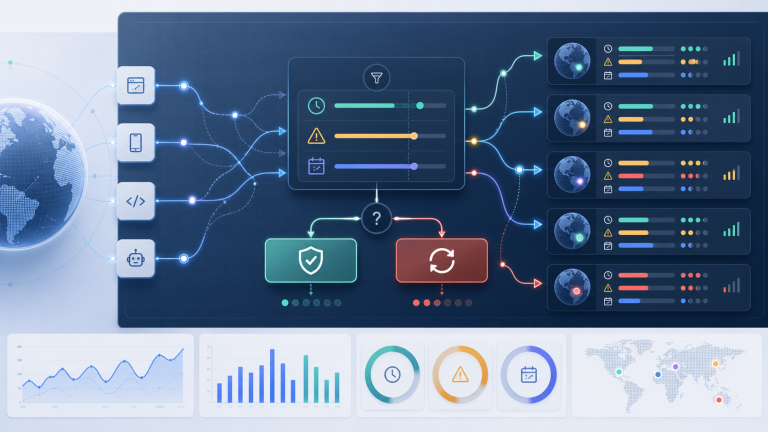
Use this practical checklist to decide when a proxy exit should stay assigned, when it should rotate, and what evidence to record before changing sessions.

Proxy failover is not just replacing one IP with another. This runbook explains when to switch exits, regions, protocols, session strategy, or traffic volume after proxy quality starts degrading.

Geo-targeted proxy projects should not move from one successful IP check straight to full traffic. Use this launch checklist to validate location fit, protocol behavior, session continuity, and failure signals before scaling.
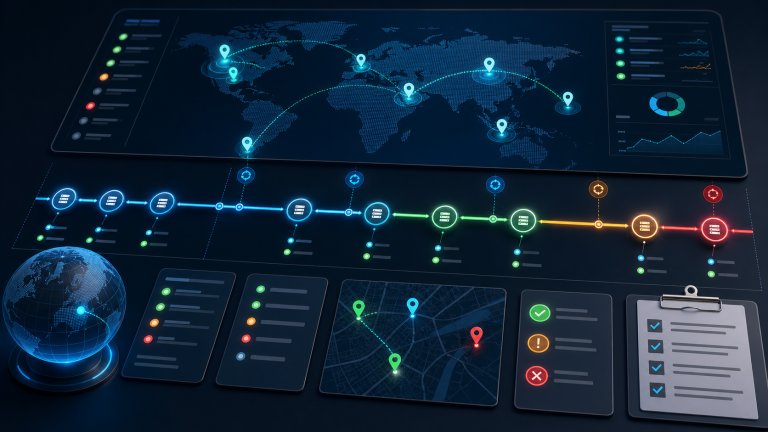
Proxy reconnects should not be judged only by whether the request works again. Teams should verify exit IP, region, session behavior, error patterns, and task impact before reusing the route.

Use this proxy error log template to record endpoint, client, DNS, location, latency, status code, and session evidence before replacing IPs.

A practical proxy pool health checklist for teams that need to test latency, success rate, error mix, geolocation, session stability, reputation signals, and workflow fit before scaling traffic.

Proxy timeout and connection refused errors need different fixes. Use this diagnostic order to check endpoint, protocol, DNS, authentication, client behavior, target limits, and proxy pool quality before rotating IPs.

Sticky proxy sessions can improve account continuity, but longer is not always better. Use workflow type, region consistency, reputation signals, and rate-limit behavior to choose the right session window.

If the same SOCKS5 credentials work in cURL but fail in Python clients, check URL scheme, DNS mode, auth encoding, and library transport support before rotating IPs.

Diagnose SOCKS5 proxy authentication failures in Chrome and Firefox by separating browser support limits from real proxy or credential problems.