
HTTP 503 Through a Proxy: Check Retry-After, Overload, and Upstream Capacity
Diagnose HTTP 503 through a proxy by identifying the response owner, reading Retry-After correctly, comparing direct and proxied paths, reducing load, and bounding retries.

Diagnose HTTP 503 through a proxy by identifying the response owner, reading Retry-After correctly, comparing direct and proxied paths, reducing load, and bounding retries.
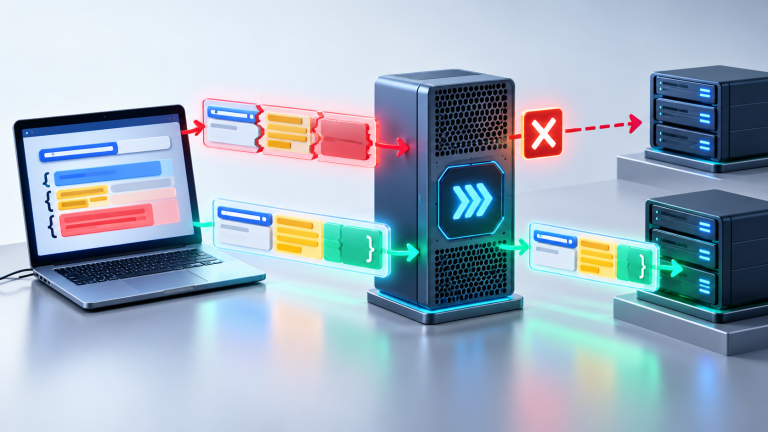
Troubleshoot HTTP 400 through a proxy by identifying the response owner, comparing direct and proxied requests, and checking URL encoding, host headers, request bodies, and size limits.

Diagnose HTTP 401 responses through a proxy by separating target authentication from proxy authentication, then checking WWW-Authenticate, token scope, session expiry, redirects, and request headers.

Diagnose proxy redirect loops by recording each Location header, scheme and host change, region decision, cache layer, and session-state dependency before changing exits.

When a proxy TLS handshake fails, separate proxy tunnel setup from SNI, certificate chain, trust-store, TLS version, and client-library errors before replacing the exit.

When a proxy IP changes but requests still use the old exit, inspect persistent connections, client pools, DNS state, and sticky assignment before rotating again.

Proxy authentication setup should be verified before a client rollout. Use this checklist to separate username/password errors, IP whitelist gaps, protocol mismatch, and client-side configuration problems.

A practical proxy protocol mismatch checklist for teams separating HTTP, HTTPS, SOCKS5, authentication, DNS mode, and client support problems from real IP quality issues.

If the same SOCKS5 credentials work in cURL but fail in Python clients, check URL scheme, DNS mode, auth encoding, and library transport support before rotating IPs.