
HTTP 404 Through a Proxy: Check Host, Path, Redirect, and Cache Routing
Diagnose HTTP 404 through a proxy by comparing the final host and path, redirect chain, regional route, virtual host, and cached response before changing exits.

Diagnose HTTP 404 through a proxy by comparing the final host and path, redirect chain, regional route, virtual host, and cached response before changing exits.
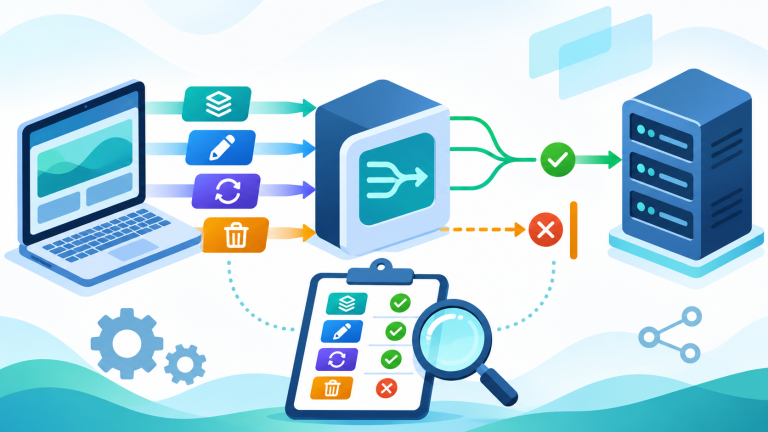
Diagnose HTTP 405 through a proxy by checking the Allow header, request method, redirect behavior, endpoint route, preflight handling, and gateway method rewrites.

Diagnose HTTP 503 through a proxy by identifying the response owner, reading Retry-After correctly, comparing direct and proxied paths, reducing load, and bounding retries.

Troubleshoot HTTP 400 through a proxy by identifying the response owner, comparing direct and proxied requests, and checking URL encoding, host headers, request bodies, and size limits.

Diagnose HTTP 401 responses through a proxy by separating target authentication from proxy authentication, then checking WWW-Authenticate, token scope, session expiry, redirects, and request headers.

Diagnose proxy redirect loops by recording each Location header, scheme and host change, region decision, cache layer, and session-state dependency before changing exits.

When a proxy TLS handshake fails, separate proxy tunnel setup from SNI, certificate chain, trust-store, TLS version, and client-library errors before replacing the exit.

When a proxy IP changes but requests still use the old exit, inspect persistent connections, client pools, DNS state, and sticky assignment before rotating again.

A proxy exit quarantine process separates uncertain IPs from production traffic, retests the right failure layer, and returns an exit only after defined recovery evidence is present.

Proxy traffic segmentation keeps login checks, validation requests, retries, and scaling traffic in separate lanes so one failure pattern does not contaminate the full proxy pool.